Showing posts with label Addison's. Show all posts

Wednesday, May 2, 2012

Cushing’s Disease and Idiopathic Intracranial Hypertension

Gabriel Zada, Amir Tirosh, Ursula B. Kaiser, Edward R. Laws and Whitney W. Woodmansee

Department of Neurosurgery (G.Z., E.R.L.) and Division of Endocrinology, Diabetes, and Hypertension (A.T., U.B.K., W.W.W.), Brigham and Women’s Hospital, Harvard Medical School, Boston, Massachusetts 02115

Address all correspondence and requests for reprints to: Gabriel Zada, M.D., 15 Francis Street, PBB3, Boston, Massachusetts 02115. E-mail: gzada@usc.edu.

Abstract

Case Illustration: A 33-yr-old woman with Cushing’s disease underwent successful surgical resection of a pituitary adenoma and developed IIH 11 months later after inadvertent withdrawal of oral glucocorticoids.

Methods: A review of the literature was conducted to identify previous studies pertaining to IIH in association with neuroendocrine disease, focusing on reports related to HPA axis dysfunction.

Results: A number of patients developing IIH due to a relative deficiency in glucocorticoids, after surgical or medical management for Cushing’s disease, withdrawal from glucocorticoid replacement, or as an initial presentation of Addison’s disease, have been reported. Hypotheses regarding the underlying pathophysiology of IIH in this context and, in particular, the role of cortisol and its relationship to other neuroendocrine and inflammatory mediators that may regulate the homeostasis of cerebrospinal fluid production and absorption are reviewed.

Conclusion: In a subset of patients, dysfunction of the HPA axis appears to play a role in the development of IIH. Hormonal control of cerebrospinal fluid production and absorption may be regulated by inflammatory mediators and the enzyme 11ß-hydroxysteroid dehydrogenase type 1. Further study of neuroendocrine markers in the serum and cerebrospinal fluid may be an avenue for further research in IIH.

Read the entire article at http://jcem.endojournals.org/content/95/11/4850.full

Sunday, February 26, 2012

Adrenal Crisis

This is a "knol" that I wrote in 2008.  It was accepted by the Open Journal of Medicine.  

Now that "knols" are being discontinued, the Open Journal moved this to their site but all of the images were lost in the move.  Also, the name of one of their authors was added to my knol.  

I'm posting this here to keep the information as it was, not as it has morphed into.

Addison’s_Disease.pdf Download this file


Friday, December 9, 2011

Adrenal glands: The reserve tank for stress?

Have you ever noticed that when you are "stressed" you can feel either emotionally/physically depleted or energized? When our body is under stress the brain responds by producing epheniphrine (aka adrenaline), sending signals to our adrenal glands, increasing the rate at which our heart beats while releasing oxygen to our muscles. The long term response to this process produces cortisol (aka the stress hormone) facilitating the release of energy throughout our body. However, when our body isn't properly balanced these hormones can wreak havoc on our wellness possibly resulting in one of three conditions: Cushing's syndrome, Cushing's disease or Addison's disease.


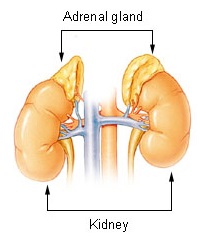
The actual Adrenal glands sit physically atop both kidneys, taking on a triangular shape and a roundish rectangular type shape. These glands are responsible for our sex hormones and cortisol, helping us respond to stress amongst other functions. When our body is under stress, physically and/or nutritionally, it responds one of two ways: Produces too much or too little of the cortisol hormone. Our Adrenal glands also contribute to regulating our blood sugar, blood pressure, salt and water.

Adrenal disorders can cause our body to make too much or not enough of these hormones, bringing about adrenal gland related syndromes and disease. Cushing's syndrome results from our body making too much versus Addison's disease produces too little.

Cushing's syndrome vs Cushing's disease

Glucocorticoids (naturally produced in our body or received through medicine) are groups of corticosteroids (cortisol or dexamethasone) involved in metabolizing our carbohydrates and proteins. When taken synthetically (i.e. treatment of allergies, skin problems, and respiratory problems) or over-produced naturally, the side effects can result in "Cushing's syndrome".

Cushing's syndrome can occur one of two ways: Endogenous or Exogenous. Endogenous is caused by the body (usually through tumors). Exogenous is caused by medication. In both cases, the body produces too much cortisol.

Symptoms: Severe fatigue/muscle weakness, high blood sugar and high blood pressure, upper body obesity, thin arms/legs, bruising easily.

Treatment: The cure and treatment for Cushing's Syndrome and disease can come through medicine, surgery, or by lowering the dosage of your current synthetic hormone treatment and can likely be cured.

Cushing's disease is the most common form of endogenous Cushing's syndrome and is likely treatable. Caused by a tumor in the pituitary gland secreting too much Adrenocorticotropic hormone (ACTH), this type of tumor does not spread and can be removed through surgery.

Nutrition: See a nutritionist or dietician for your condition. Mostly, avoid excess sodium. High blood sugar (hyperglycemia) and high blood pressure can easily occur with this condition. Bone loss density is common with this condition, so be extra aware of your calcium (800 – 1200 mg per day, based upon age) and Vitamin D intake (5mcg from age 0-50, increasing up to 10 mcg 50-71, and 15 mcg after 71). Eating healthy, balanced and whole food (versus processed) is extremely important. (Resource: http://www.aboutcushings.com/understanding-cushings-disease/causes-and-differences.jsp)

Addison's disease Opposite from Cushing's syndrome, Addison's disease doesn't make “enough” of the sex hormones and cortisol. The result of this disease causes our immune system to attack our tissue, damaging our adrenal glands.

Symptoms: Weight loss, muscle weakness, increasingly worse fatigue, low blood pressure and patchy or dark skin.

Treatment: If left untreated, the condition can be fatal. Lifetime hormone treatment is usually required. Addison disease patients should always carry medical/emergency ID on them, listing their medication, dosage and disease

Lab tests can confirm that you have Addison's disease. If you don't treat it, it can be fatal. Very likely, you will need to take hormone pills for the rest of your life. If you have Addison's disease, you should carry an emergency ID. It should say that you have the disease, list your medicines and say how much you need in an emergency.

(Ref: http://www.nlm.nih.gov/medlineplus/cushingssyndrome.html, NIH: National Institute of Neurological Disorders and Stroke)

If all of this sounds a little overwhelming there is hope. Learning how to balance our stress-filled lives is extremely important to our overall health. Healthy nutrition always contributes benefits to our overall wellness. We can overwhelm our endocrine system by simply not eating nutritionally. Understanding that “Food is a drug” is vitally important to how we help our body naturally heal itself. The above conditions are the result of our body not handling the stress we are putting it through, causing our body to producing too much or too little of the sex hormones and cortisol.

Unless we first address what we can do naturally through nutrition, the medicine we consume will only do so much in helping our body heal completely. You simply cannot continue doing the same thing over and over again, expecting the medicine to do all the work. Some diseases are brought upon us through our environment (emotionally as well as physically) as well as our diet/nutrition. Reviewing our entire wellness is always wisdom whenever we're diagnosed with anything.

Certainly listen to your doctor and their advice. But also ask your doctor to refer you to a nutritionist or clinical/registered dietician for a complete evaluation that includes a review of your nutritional diet/wellness. Too often we reach for a pill or a procedure to “fix” our health problems, ignoring what we should be doing on our own to help our body heal. Medical intervention is "sometimes" the result of providing our body with what it cannot produce on its own. Nutrition should always be the “natural” medicine we take, as well as what we might need through prescribed medication.

Quick Tips for Wellness: Living “well” requires living nutritionally balanced.

Adapted From http://hamptonroads.com/2011/12/adrenal-glands-reserve-tank-stress

Saturday, November 12, 2011

(Addison's Disease) Coma man defies odds to write book

By Lisa Smyth


A Northern Ireland man has defied medical predictions and overcome the effects of a rare condition that left him in a coma for three months.

Jonathan Fisher is a survivor of an Addisonian crisis which affected him so badly doctors feared he would never recover.

His mother ignored medical advice to switch off his life-support system as doctors believed he was brain dead.

However, convinced he could recover after noticing that he was reacting to her with the occasional slight movement of his little finger she refused to give up on her son.

Now — against all the odds — he has made a remarkable recovery and has regained many of the skills lost as a result of his condition.

Addison’s disease is a rare disorder of the adrenal glands. It affects the production of two hormones — cortisol and aldosterone — which help to regulate blood pressure.

If left untreated, the amount of steroid hormones in the body will gradually fall and the symptoms of Addison’s disease will get progressively worse.

Eventually, this will cause an adrenal crisis — when the symptoms become very severe and blood pressure drops to a dangerously low level. An adrenal crisis can be fatal if it is not treated immediately.

Jonathan can now get around Lisburn in his electric wheelchair and has even managed to complete his first book, August Always — a triumph as he has considerable speech impairment and great difficulty using his hands to operate a keyboard.

The process has been long and laborious but Jonathan said he was determined to share his experience with others.

“There are moments in life that define us, like birth and death,” he said.

“Along the journey there will be crises of passion, of love, of faith and desire, but none so devastating as an Addisonian crisis. I am Jonathan Fisher, a survivor.

“August Always is my memoir. I believe in the incredible. I dream of a better future.”

Background

Addison’s disease is a rare disorder of the adrenal glands which are located on top of the kidneys. The condition affects the production of two hormones. Cortisol, which helps to regulate blood pressure, maintaining blood glucose and heart function. And aldosterone which also helps regulate blood pressure. Addison’s sufferers must get treatment if their blood pressure falls as it can be fatal.

From http://www.belfasttelegraph.co.uk/news/health/coma-man-defies-odds-to-write-book-16076458.html

Thursday, June 2, 2011

Stress Science: Neuroendocrinology

Research and Markets has announced the addition of Elsevier Science and Technology's new report "Stress Science. Neuroendocrinology" to their offering.

Stress is a universal phenomenon that impacts adversely on most people. This volume provides a readily accessible compendium that explains the phenomenon of stress, the neural, endocrine and molecular mechanisms involved, the clinical effects, and the impact on individuals and society. Clinical attention focuses on disorders of the stress control system (e.g. Cushing's Syndrome: Addison's Disease) and the adverse impact of stress on human physical and mental health. Detailed reviews address disorders such as PTSD, anxiety, major depression, psychoses and related disorders such as combat fatigue and burnout. The work covers interactions between stress and neurodegenerative disorders, such as Alzheimer's disease and Parkinson's disease, as well as stress-immune-inflammatory interactions in relation to cancer and autoimmune and viral diseases. Emphasis is also placed on the role of stress in obesity, hypertension, diabetes type II and other features of the metabolic syndrome which has now reached epidemic proportions in the USA and other countries.
  • Chapters offer impressive scope with topics addressing animal studies, disaster, diurnal rhythms, drug effects and treatments, cognition and emotion, physical illness, psychopathology, immunology and inflammation, lab studies and tests, and psychological / biochemical / genetic aspects
  • Richly illustrated with over 200 figures, 75 in color
  • Priced affordably, this compendium of articles appeals to the end user interested in stress research who would not otherwise purchase the larger Encyclopedia of Stress
  • Articles carefully selected by one of the world's most preeminent stress researchers and contributors represent the most outstanding scholarship in the field, with each chapter providing fully vetted and reliable expert knowledge
For more information visit http://www.researchandmarkets.com/research/02ce77/stress_science_ne

Contacts

Research and Markets
Laura Wood, Senior Manager
press@researchandmarkets.com
U.S. Fax: 646-607-1907
Fax (outside U.S.): +353-1-481-1716

Thursday, May 5, 2011

NIH Adrenal Clinical Trials Updated 5/5/2011

Rank Status Study
1 Completed Cardiovascular Risk in Patients With Non-Functional Adrenal Incidentaloma
Condition: Adrenal Cortex Neoplasms
Intervention:  
2 Completed
Has Results
Changes in Adrenal Hormones During Adrenal Radiofrequency Ablation
Condition: Adrenal Gland Neoplasms
Intervention: Procedure: Radiofrequency ablation
3 Completed Adrenal Scans With Radioiodine-Labeled Norcholesterol (NP-59)
Conditions: Adrenal Gland Neoplasms;   Adrenal Malignancies;   Abnormal Hormonal Secretions;   Electrolytes Abnormalities
Intervention: Other: Imaging, Adrenal acans
4 Recruiting Trial of Vasopressin and Epinephrine to Epinephrine Only for In-Hospital Pediatric Cardiopulmonary Resuscitation
Conditions: Cardiopulmonary Arrest;   Cardiac Arrest
Interventions: Drug: Vasopressin;   Drug: Epinephrine
5 Completed Adrenal Suppression and Adrenal Recovery Induced by Megestrol Acetate
Condition: Adrenal Function
Intervention: Drug: megestrol acetate
6 Recruiting Test Predicting Adrenal Insufficiency in Volunteers Under Prednisone Treatment
Condition: Adrenal Gland Hypofunction
Interventions: Procedure: adrenal insufficiency testing;   Drug: prednisone
7 Recruiting The Bupivacaine Dose Sparing Effect of Intrathecal Epinephrine
Condition: Spinal Anesthesia
Interventions: Drug: Placebo;   Drug: epinephrine 25;   Drug: Epinephrine 50;   Drug: epinephrine 100;   Drug: Epi 200
8 Recruiting SPARTACUS: Subtyping Primary Aldosteronism: a Randomized Trial Comparing Adrenal Vein Sampling and Computed Tomography Scan.
Condition: Hyperaldosteronism
Intervention: Other: Ct-scan or adrenal vein sampling
9 Completed Make up for the Epinephrine Autoinjector
Condition: Anaphylaxis
Intervention: Device: Epinephrine autoinjector
10 Completed Epinephrine Inhalation Aerosol USP, a HFA-MDI Study for Assessment of Pharmacokinetics
Conditions: Asthma;   Bronchospasm;   Wheezing;   Shortness of Breath
Interventions: Drug: Epinephrine Inhalation Aerosol, HFA;   Drug: Epinephrine Inhalation Aerosol
11 Completed Once-Daily Oral Modified-Release Hydrocortisone in Patients With Adrenal Insufficiency
Condition: Adrenal Insufficiency
Interventions: Drug: hydrocortisone (modified release), oral tablet 20 and 5 mg;   Drug: Hydrocortisone, oral tablet, 10 mg
12 Completed Pharmacokinetics (PK) Study of Epinephrine Inhalation Aerosol in Healthy Volunteers
Condition: Asthma
Intervention: Drug: epinephrine inhalation aerosol
13 Completed ED50 and ED95 of Intrathecal Bupivacaine With or Without Epinephrine for Total Knee Replacement Arthroplasty
Conditions: Spinal Anesthesia;   Total Knee Replacement Arthroplasty
Interventions: Drug: intrathecal bupivacaine 6 mg with 100 mcg of epinephrine;   Drug: intrathecal bupivacaine 7 mg with 100 mcg of epinephrine;   Drug: intrathecal bupivacaine 8 mg with 100 mcg of epinephrine;   Drug: intrathecal bupivacaine 9 mg with 100 mcg of epinephrine;   Drug: intrathecal bupivacaine 10 mg with 100 mcg of epinephrine;   Drug: intrathecal bupivacaine 11 mg with epinephrine 100 mcg;   Drug: intrathecal bupivacaine 6 mg with 200 mcg of epinephrine;   Drug: intrathecal bupivacaine 7 mg with 200 mcg of epinephrine;   Drug: intrathecal bupivacaine 8 mg with 200 mcg of epinephrine;   Drug: intrathecal bupivacaine 9 mg with 200 mcg of epinephrine;   Drug: intrathecal bupivacaine 10 mg with 200 mcg of epinephrine;   Drug: intrathecal bupivacaine 11 mg with 200 mcg of epinephrine
14 Active, not recruiting Study of UK Adults With Congenital Adrenal Hyperplasia.
Condition: Congenital Adrenal Hyperplasia
Intervention:  
15 Not yet recruiting Intranasal Injection Versus Topical Administration of Epinephrin During Endoscopic Sinus Surgery
Conditions: Hypertension;   Hypotension;   Tachycardia;   Bradycardia;   Arrhythmia
Interventions: Drug: Epinephrin (Intranasal injection);   Drug: Epinephrin (Topical administration)
16 Recruiting Adrenal Insufficiency in Septic Shock
Conditions: Septic Shock;   Acute Adrenal Insufficiency
Intervention: Drug: Corticosteroid
17 Recruiting Performance of 18F-Fluorodeoxyglucose Positron Emission Tomography (FDG-PET) in the Diagnosis of Indeterminate Adrenal Tumors on Conventional Imaging: A French Prospective Multicentric Study
Condition: Adrenal Gland Neoplasms
Intervention: Other: FDG-PET scan
18 Unknown  Prospective Study on the Incidence of Adrenal Crisis in Patients With Chronic Adrenal Insufficiency
Condition: Adrenal Insufficiency
Intervention:  
19 Completed Dose Response Relationship for Single Doses of Corticotropin Releasing Hormone (CRH) in Normal Volunteers and in Patients With Adrenal Insufficiency
Conditions: Adrenal Gland Hyperfunction;   Adrenal Gland Hypofunction;   Cushing's Syndrome;   Healthy
Intervention: Drug: Ovine Corticotropin-Releasing Hormone (oCRH)
20 Recruiting Adrenal Function in Critical Illness
Condition: Adrenal Insufficiency
Intervention:  


Rank Status Study
21 Recruiting Study of Adrenal Gland Tumors
Condition: Adrenal Gland Neoplasm
Intervention:
22 Recruiting The Effects of Epinephrine in Endotoxemia in Normal Volunteers
Condition: Immune System
Interventions: Biological: Endotoxin, Lipopolysaccharide, LPS;   Biological: Endotoxin, Lipopolysaccharide, LPS /Epinephrine
23 Unknown  Does Topical Steroid Treatment Impair the Adrenal Function?
Conditions: Hypothalamus-Pituitary-Adrenal Axis Assessement;   Topical Steroid Therapy in Chronic Skin Diseases
Intervention:
24 Recruiting Combination Local Anesthetics
Condition: Perioperative Pain
Interventions: Drug: 1% Lidocaine with Epinephrine;   Drug: 0.25% Bupivacaine with epinephrine;   Drug: 1% Lidocaine + 0.25% Bupivacaine with Epinephrine;   Drug: 2% Lidocaine + 0.5% Bupivacaine with epinephrine
25 Recruiting Study Comparing Peri-articular Injection of Bupivacaine With and Without Epinephrine
Condition: Osteoarthritis
Interventions: Procedure: Peri-articular injection of marcaine/epinephrine;   Procedure: Peri-articular injection of marcaine alone
26 Not yet recruiting Gluing Lacerations Utilizing Epinephrine
Condition: Lacerations
Intervention: Drug: LET - Lidocaine Epinephrine Tetracaine
27 Recruiting Use of Local Analgesia With Epinephrine During Total Hip Arthroplasty (THA)
Condition: Arthroplasty, Replacement, Hip
Intervention: Drug: ropivacaine, physical serum and adrenalin
28 Recruiting Relative Adrenal Insufficiency in Preterm Very Low Birth Weight Infants With Shock
Condition: Adrenal Insufficiency
Intervention:
29 Unknown  Adrenal Insufficiency in Cirrhotics With Ascites. Effects of Hydrocortisone on Renal and Haemodynamic Function
Condition: Cirrhosis With Ascites
Interventions: Drug: hydrocortisone;   Drug: dextrose solution 5%
30 Recruiting Bronchiolitis, Optimal Treatment in Infants and Prognosis
Condition: Bronchiolitis
Interventions: Drug: Racemic adrenaline;   Drug: Isotonic saline
31 Recruiting RAD001 in Pheochromocytoma or Nonfunctioning Carcinoid
Conditions: Pheochromocytoma;   Extra-Adrenal Paraganglioma;   Non-functioning Carcinoid
Intervention: Drug: RAD001
32 Not yet recruiting Hypoglycemia Associated Autonomic Failure in Type 1 DM, Q4
Condition: Type 1 Diabetes
Intervention: Drug: epinephrine
33 Recruiting Effect of Epinephrine/ Phenylephrine for Preventing the Postreperfusion Syndrome During Reperfusion in Liver Transplantation
Condition: Hypotension After Reperfusion in Liver Transplantation
Interventions: Drug: phenylephrine;   Drug: epinephrine;   Drug: placebo control
34 Recruiting Safety Study Evaluating the Adrenal Suppression Potential of Product 0405 in Pediatric Subjects With Atopic Dermatitis
Condition: Atopic Dermatitis
Intervention: Drug: Product 0405
35 Recruiting Merits of Continuous Paravertebral Block in the Management of Renal/Adrenal Surgery by Laparotomy
Condition: Patient Scheduled for Renal and/or Adrenal Surgery
Intervention: Procedure: Continuous Paravertebral block
36 Not yet recruiting Adrenalectomy Versus Follow-up in Patients With Subclinical Cushings Syndrome
Condition: Adrenal Tumour With Mild Hypercortisolism
Intervention: Procedure: Adrenalectomy
37 Recruiting Role of the Protein Osteoprotegerin in the Bone Health of Women With Congenital Adrenal Hyperplasia
Condition: Adrenal Hyperplasia, Congenital
Intervention:
38 Recruiting Gene Polymorphisms Influencing Steroid Synthesis and Action
Conditions: Disorders of Sex Development;   Congenital Adrenal Hyperplasia;   Congenital Adrenal Hypoplasia;   Adrenal Insufficiency;   Mineralocorticoid Deficiency;   Intersex
Intervention:
39 Recruiting Adrenal Function and Use of Intralesional Triamcinolone Acetonide 10 mg/mL (Kenalog-10) in Patients With Alopecia Areata
Condition: Alopecia Areata
Intervention: Drug: Triamcinolone Acetonide 10 mg/mL (Kenalog-10)
40 Recruiting Assessment of the Efficacy of Nebulised 3% Hypertonic Saline Among Infants Aged 6 Weeks- 24 Months With Bronchiolitis
Condition: Bronchiolitis
Interventions: Drug: L-Epinephrine and 0.9% Normal Saline;   Drug: L-Epinephrine and 3% Hypertonic Saline

Thursday, April 28, 2011

More on last article: Additional autoimmune disease found in one-third of patients with type 1 diabetes

At diagnosis of type 1 diabetes, approximately 33% of patients are positive for at least one additional organ-specific autoantibody, according to new data.

Researchers at the Barbara Davis Center for Childhood Diabetes assessed 491 children diagnosed with type 1 diabetes from 2004 to 2009 for other autoimmune conditions. They measured thyroid peroxidase autoantibodies (TPOAb) to screen for autoimmune thyroid disease, tissue transglutaminase autoantibodies (TTGAb) for celiac disease and 21-hydroxylase autoantibodies (21OHAb) for Addison’s disease.

“We sought to define the prevalence of nonislet, organ-specific autoantibodies at the diagnosis of type 1 diabetes and to determine the prevalence of comorbid autoimmune diseases,” the researchers wrote.

Of the 491 children, 82.7% were white and 53.4% were boys. At the time of diagnosis with type 1 diabetes, mean age was 9.6 years and the average HbA1c level was 11.6%. Measurements of TPOAb, TTGAb and 21OHAb were collected within 16 days, on average, and patients were diagnosed with autoimmune thyroid disease, celiac disease or Addison’s disease within 45 days.

Overall, 32.6% of the children had at least one nonislet, organ-specific autoantibody. Of these, 18.6% were diagnosed with additional autoimmune disease. Results revealed that 24.8% were positive for TPOAb, of whom 12.3% had autoimmune thyroid disease. Of the 11.6% with TTGAb, 24.6% had celiac disease. Just 1% of children had 21OHAb, and the researchers found only one case of Addison’s disease.

“Ongoing follow-up of this cohort will be important to determine the natural history of organ-specific autoimmunity in patients with type 1 diabetes,” the researchers wrote. “Key questions remain, including the incidence of autoantibodies over time, the evolution from positive antibodies to disease, the genetic influences on autoimmunity and disease, and patient characteristics that may influence antibody or disease development.”

For more information:

Disclosure: The researchers report no relevant financial disclosures.

From http://www.endocrinetoday.com/view.aspx?rid=83019


Type 1 Diabetes, Celiac or Addison’s?

After noticing a growing trend in children diagnosed with Type 1 Diabetes, doctors and medical researchers have announced a new study measuring the correlation between this autoimmune disorder as well as three others. Addison’s disease, celiac disease, and autoimmune thyroid disease often have antibodies present in children at the same time that they are diagnosed with Type 1 Diabetes.

It has recently been reported that fifteen to thirty percent of people with Type 1 diabetes have also been diagnosed, and about 4 to 9 percent have been diagnosed with celiac disease. Addison’s disease is at the bottom of the list with less than one percent being diagnosed. Children who have been confirmed to have diabetes should be tested yearly for an autoimmune thyroid disease, and for celiac disease if other symptoms become apparent. There is no real screening schedule for Addison’s disease.


From http://www.adi-news.com/type-1-diabetes-celiac-or-addisons/211165/

Friday, March 11, 2011

Addison Disease Video

Date: 04 Oct 2009
Uploader: Melvin Koplow
Lenght: 2m 7s
Specialty: Endocrinology   Pediatrics  

Henry Anhalt DO FAAP FACOP FACE CDE Pediatric Endocrinology http://www.TheDoctorsVideos.com Dr. Anhalt completed his post-doctoral fellowship in pediatric endocrinology the Lucille Salter Packard Children's Hospital at Stanford University


From http://www.symposier.com/library_detail/4708/Addison-Disease

Saturday, January 8, 2011

Symptoms of Addison’s disease

How to tell if your patient is having an acute crisis.

Fred W. Wurster III, AAS, NREMT-P | From the January 2011 Issue and Evolution in Resuscitation Issue

It’s 8:30 on a Tuesday morning, and your crew is responding to an unresponsive 18-year-old male patient. You and your partner are well-seasoned paramedics who have responded to thousands of calls in your careers. Your mobile data computer (MDC) provides further information from the 9-1-1-center that states, “patient is a known diabetic and the patient’s father is attempting to administer oral glucose.”

On arrival, you’re greeted by the patient’s stepmother. She says, “I think it’s his blood sugar.” You’re directed to the third floor of an old farmhouse. After climbing two sets of stairs, you find a male patient partially clothed, lying on the floor and moaning.

As you approach, his father states, “I tried to give him his oral glucose, but I don’t know how much I got him.”

The patient’s room is disheveled with no obvious threats to EMS, and it appears as though the patient may have been out of control or trashing around prior to your arrival. He continues to moan incomprehensibly.

When approached, he moans louder and becomes agitated. You also note that he’s partially covered in feces. After numerous attempts of trying to perform an assessment, the patient becomes more agitated, and you request assistance from the police department.

Patient Assessment
Although no immediate threats are noted, you maintain a safe distance from the patient until the police arrive. His father is able to calm him, so you can make contact. However, the patient still doesn’t communicate with you when questioned during your assessment, and he continues to moan.

The patient can be non-forcefully rolled over onto his back, and you’re able to obtain a baseline set of vital signs, including blood glucose level. The initial set of vital signs are as follows: heart rate is 86, blood pressure is 88/60, respiratory rate is 16, and non-labored, blood glucose level is 113 mg/dL.

His skin is warm, slightly pale and dry, and you note no visible trauma, bleeding or other abnormalities. While questioning the father further, he reports that his son may have overdosed on something because he found a blue liquid-like substance in a coffee cup next to the patient’s bed. The father says he’s unaware of the patient having any history of alcohol or substance abuse, although he believes the patient may occasionally use marijuana and does smoke cigarettes.

On further assessment, you notice a tattoo on the patient’s left forearm. In addition to the patient’s name, the tattoo reads “insulin dependent diabetic, Addison’s disease, no allergies.”

The crew comments about the tattoo having his medical information, and the father reports that because the patient has had many problems with his diabetes while out in public, he feels it was appropriate that the information be tattooed on his son’s arm.

Transport
The patient again becomes agitated and aggressive, attempting to bite your partner. With the assistance of the police department, he’s secured in a Reeves stretcher, and you begin to carry him down the stairs. He continues to thrash around, almost uncontrollably, and he almost slides out of the stretcher several times.

Your protocols don’t allow the use of Ativan without verbal orders from a physician, so you make contact with the medical command physician at the hospital to obtain orders to administer it in an attempt to chemically subdue the patient. A report is relayed to the medical command physician, and he authorizes your request to administer 1 milligram of Ativan and orders an additional 1 milligram if needed.

The patient continues to be uncontrollable, and you have two failed attempts at IV access because of the patient’s thrashing around.

You then attempt to administer the Ativan intranasally, and the patient fights you. After several attempts, you decide to switch to the intramuscular route and are successful. After a minute or so, the patient calms down and is resting on the stretcher. At the patient’s father’s request, you transport the patient to a hospital that isn’t the closest.

Prior to departure, the patient’s father says he’s only seen his son act like this one other time he can remember, which was when he was diagnosed with Addison’s. During transport, your continued assessment reveals no major trauma, other than some abrasions on the patient’s shoulders and knees. You also note that he’s extremely thin, but he appears to be healthy and has a bronze hue to his skin.

The patient remains non-verbal and doesn’t respond appropriately when questioned. He appears to drift in and out of consciousness, but he maintains a patent airway.

The patients’ vital signs are reassessed with no changes noted, and an ECG is obtained with no abnormalities or ectopy present. The rhythm is sinus tachycardia at a rate of 118 beats per minute. You repeat a blood glucose test, which reveals a reading of 126mg/dL.

You’re able to successfully establish IV access with an 18-gauge needle and administer a 250 mL bolus of normal saline solution followed by titration to KVO. You also attempt to administer oxygen via numerous devices, but he fights off all efforts.

Arrival
On arrival at the emergency department (ED), you ask your partner what he knows about Addison’s disease. Neither of you knows anything more than it causes renal insufficiency and that most people who have Addison’s also suffer from insulin-dependent diabetes. Your differential diagnosis is still leading to you think this patient may be suffering from some type of overdose or adverse reaction to an unknown substance.

You transfer the patient to the awaiting nursing staff and attending ED physician. After reporting your findings, assessment, scene and patient presentation, while you’re cleaning up your equipment, the ED physician comes over and asks whether you know that you saved the patient’s life. You and your partner look at each other
in amazement.

You ask him what’s wrong with the patient, and he replies that it’s an acute Addisonian crisis, explaining that the patient was at a critical level and could have potentially suffered irreversible effects. He said it would be several hours before they knew the outcome and that says he’s only seen one case like this in his 17 years of practicing medicine.

You wish the family well and clear the hospital. As you return to the station, you and your partner discuss the dynamics of the call.

Although you are both seasoned paramedics with lots of experience, you agree that you’ve never seen anything like this.

Addison’s Disease
After returning to the station, you contact your medical director and ask for some insight into the disease, its process and how to treat and recognize it should you cross paths with it again. He tells you that Addison’s disease is a rare disorder of the endocrine system caused by a lack of the steroid hormones that are produced by the adrenal glands.

Treatment is exactly what you did: monitor the patient, keep them safe and rapidly transport them to a hospital for definitive care. The disease initially presents subtly and without any real prodrome or awareness until the majority of symptoms present.

The most common symptoms include fatigue, lightheadedness, headache, muscle weakness and pain, fever, weight loss, nausea, vomiting, diarrhea, excessive sweating, sudden changes in mood and personality, excessive craving for salty foods and a bronzed or tanned skin color. Large populations of people with Addison’s disease also suffer from Type I diabetes and require insulin injections.

An acute Addisonian crisis presents when someone previously diagnosed with Addison’s suffers from an infection or traumatic injury or if they suddenly stop taking their glucocorticoids. This may also be how the onset of Addison’s is diagnosed for the first time in some patients.

Symptoms of an acute crisis include severe vomiting and diarrhea resulting in dehydration, hypotension, syncopal episodes leading to unconsciousness, confusion, psychosis, slurred speech, agitation, combativeness, hypoglycemia and seizures.

If untreated or improperly treated, an acute Addisonian crisis can be fatal. These patients require prehospital administration of steroids, such as Hydrocortisone, Prednisone, or Solu-Cortef to replace the missing cortisol.

When you identify someone with a past history of Addison’s who is presenting as this patient did, it’s paramount to protect the patient and rapidly transport them to a hospital for treatment. Remembering the signs and symptoms of Addison’s may make the difference between life and death for these patients especially when they’re in an acute crisis state.

This patient was admitted to the local hospital, was subsequently transferred to a pediatric specialty hospital and was discharged after two weeks.

He had been complaining of cold and flu-like symptoms for a few days prior to our encounter, which may have triggered the acute crisis. JEMS

This article originally appeared in January 2011 JEMS as
“Crisis Averted: Recognize the symptoms of Addison’s disease before they escalate.”

From http://www.jems.com/article/addison-s-disease/do-you-think-i-should-send-my


Saturday, November 13, 2010

Adrenal Crisis Tips

From Ellen, on the Cushing's Help Message Boards

I have a very good friend who has had more adrenal crises than anyone care to count (more than 20). She has tried hard to teach me some important things for the day I should ever have a crisis. Among them is the reality that (as before surgery) success of your care depends on YOU getting everything prepared for the worst as best you can. We can no more depend on the ER staff than any other doc out there who isn't a specialist in pituitary medicine. You all have already done much of preparing by having your medic alert bracelets on, your injectable Cortef (bring it with you in case they don't have it there) and your letter from Dr. F. But that isn't enough much of the time as you have painfully discovered.


1) Prevention is the key. You, Mary, are SO overdoing it, I don't know what to say. You shouldn't even be leaving your house right now, let alone taking on the care of small children. You need a good talking to, missy. Perhaps you can choose to do ONE easy task a day but overall-you should be bored out of your gourd sitting on your tuckus. The more you do, the more you risk events like this. The hardest part is understanding that recovery is not a linear improvement every day. You are going to have weeks or maybe months where you can do no more than you did the first week after surgery. This recovery takes a long time when surgery works. Each tiny task you accomplish depletes you in an additive way. It might not have seemed much at the time to unload the dishwasher but you better believe it counts when you add in each additional task you want to accomplish.


2) Everything is additive. It isn't just what you did today but also what you did the last three, four or five days. You may have felt good the first day but each successive day my guess is you could feel your body pushing a bit. I find I say things like, "If I could just get this ONE more job done, then I will rest" before I am off to the next job. Before I know it, it is too late. Think hard about the twinges you feel the days before this happened this time around, when you were tired. How do you feel in the evenings after a day of activity? Those are the signs to look for and treat early the next time. You are having to listen to your body in a whole new way. Learn your earliest signs.


3) Take more Cortef when you first get those twinges above--the days before a crisis might strike.


4) Everyone in your household needs to be trained to give you Cortef. Teach them that confusion on your part indicates a crisis coming on-if you aren't making sense they need to understand that YOU are not able to help yourself. In most cases the oral cortef will keep you out of the ER if someone else makes sure you take it. Don't hesitate, don't let yourself talk them out of helping you-just take it-it is better to err high than low with your history of crises right now.


5) Knowing that in spite of all of this you need ER care potentially, consider calling the liason in person and talking real-time about your needs for future visits-explaining how quickly things become life threatening. They need to have something about your history in the computer already-a copy of that letter from Dr. F plus their own notes that it is on the up and up along with the note to please page your doctor. Give them a recipe to follow that they have pre-approved and it will help greatly. Most ER doctors will never see an adrenal crisis patient in their ER. Doctors have limits on their abilities just as everyone else does. I can read English really well but if you handed me a book written by someone in 1610, I would likely take longer to get through it because I am not as familiar with the format...the 'wherefore art thous' are English but they sure slow you down. That is what happens in the ER to Addisonians...doctors eventually get there but it takes longer because it is unfamiliar. Help them out by giving them the Cliff-Notes before you ever get there.


5A) Also insist that for now they order and keep Solu-Cortef on the shelves for you. Many (most?) hospitals do NOT have it stocked, as my friend discovered over and over again when she went to the ER. It took hours for them to track some down and give it to her. In the meantime, she was getting sicker and sicker. She finally asked the liason to help be certain they had it for her, ready to go. Now, they have it ready for her, they know her and they know what to do. She is often out of there in about 3 hours.


6) If you are vomiting/collapsed clearly in serious trouble, by the time you head off to the ER, call 911/ambulance so you get taken in and cared for without waiting. Your life is at risk by that stage and you need immediate care. It is justified and potentially life-saving.


7) Always have a trained advocate with you, have several back ups in your life. My friend has her husband but she also has me ready to go-have the hospital list several people to call ahead of time in case you arrive on your own and they can't reach your primary person. Your advocates need to know what to do independently of you. They need to know what to say and how to push the ER staff to get things done on your behalf. We, as patients struggling with Cushing's, are used to having to push but most people are very intimidated by medical personnel and often hang back, figuring they must know what to do. Make sure they understand this just isn't the case sometimes and that your life may depend on what they say or get the staff to do. It is critical they contact your endocrinologist-have your advocate INSIST they do this. If they won't, have your advocate page the doctor for you. Be sure you go over a plan with your advocate periodically or answer their questions about what may happen. I went over much of my plan with my husband prior to my surgery but discovered that within days of surgery, he had forgotten most of what I said. He really wanted to help but just hadn't taken in the medical stuff because it was overwhelming and scary. Keep going over it until they are comfortable.


I really hope these are the last ER visits for you all. I have agonized each time my friend goes into another crisis. I know that in spite of everything you do (or don't do) to prevent a crisis, they still happen. Hopefully the next time around, everything will be in place for you all to have a smooth experience.


So, sit down, turn on that television and get comfy girls. TAKE IT EASY!!

Monday, November 8, 2010

A Systematic Review and Meta-Analysis of Randomized Placebo-Controlled Trials of DHEA Treatment Effects on Quality of Life in Women with Adrenal Insufficiency

Aziz A. Alkatib, Mihaela Cosma, Mohamed B. Elamin, Dana Erickson, Brian A. Swiglo, Patricia J. Erwin, and Victor M. Montori*

Department of Medicine (A.A.A.), Knowledge and Encounter Research Unit (A.A.A., M.C., M.B.E., D.E., B.A.S., P.J.E., V.M.M.), Mayo Clinic Libraries (P.J.E.), and Division of Endocrinology, Diabetes, Metabolism, and Nutrition (M.C., D.E., B.A.S., V.M.M.), Mayo Clinic, Rochester, Minnesota 55905

* To whom correspondence should be addressed. E-mail: montori.victor@mayo.edu.

Context: Women with primary or secondary adrenal insufficiency report a decreased health-related quality of life (HRQOL) despite traditional adrenal replacement therapy. Dehydroepiandrosterone (DHEA) has been studied as an agent to improve HRQOL in these patients.

Objective: We sought to conduct a systematic review and meta-analysis of randomized controlled trials of DHEA effects on HRQOL in women with adrenal insufficiency.

Data Sources: We searched electronic databases (MEDLINE, EMBASE, Cochrane CENTRAL, Web of Science, CINAHL, and PsycInfo) and reference lists of eligible studies through July 2008.

Study Selection: Eligible trials randomly assigned women with primary or secondary adrenal insufficiency to either DHEA or control and measured the effect of treatment on HRQOL.

Data Extraction: Reviewers working independently and in duplicate assessed the methodological quality of trials and collected data on patient characteristics, interventions, and outcomes.

Data Synthesis: We found 10 eligible trials that measured HRQOL and depression, anxiety, and sexual function. Random-effects meta-analysis showed a small improvement in HRQOL in women treated with DHEA compared with placebo [effect size of 0.21; 95% confidence interval, 0.08 to 0.33; inconsistency (I2) = 32%]. There was a small beneficial effect of DHEA on depression; effects on anxiety and sexual well-being were also small and not statistically significant.

Conclusions: DHEA may improve, in a small and perhaps trivial manner, HRQOL and depression in women with adrenal insufficiency. There was no significant effect of DHEA on anxiety and sexual well-being. The evidence appears insufficient to support the routine use of DHEA in women with adrenal insufficiency.


From http://jcem.endojournals.org/cgi/content/abstract/jc.2009-0672v1

Tuesday, October 5, 2010

Addison's Disease – Will Your Insurance Cover the Price of Therapy?

Addison's disease was first described by Dr. Thomas Addison, whom the disease is called after, in 1849. Also known as adrenal insufficiency, Addison's is a malfunction of the adrenal glands which causes the glands for fail to supply sufficient of the hormones cortisol, aldosterone, or both. It's an uncommon condition that is typically brought on by harm to the gland by an autoimmune dysfunction or an infection. It is a considerably silent disease in that the signs progress so slowly that the particular person does not realize they've the disease till they expertise a very stressful scenario and the adrenal gland fails to supply sufficient hormones to help the physique deal with it.

The primary remedy of Addison's disease is through medication. Patients are prescribed hormone replacements resembling hydrocortisone or prednisone for cortisol insufficiency and a mineralocorticoid for aldosterone insufficiency. Depending on the underlying explanation for the disease, secondary remedy may be necessary. For example, autoimmune issues are the principle explanation for Addison's. Therefore, your doctor could prescribe additional medications and treatments to handle that downside as well. Cancer of the adrenal gland is also a explanation for this disease and you may need surgery and chemotherapy to do away with the cancer.

Insurance firms will probably cowl the cost of your medical care since remedy typically entails doctor's visits and medication. You will most likely be scheduling common appointments along with your doctor, so when you find yourself searching for health care insurance coverage be sure to evaluate the cost of copays for office visits. Additionally, you will want to find a plan that may pay some or the entire cost of your prescription drugs since there is no cure for Addison's disease and you will be on treatment for the rest of your life. Having your insurance coverage firm decide up the tab will save you money over the lengthy term.

Addison's disease is classed as a preexisting condition. Therefore, if you change insurance policy you may be subject to a ready period or end up paying increased premiums to your plan. To help you discover one of the best deal within the shortest amount of time, use a medical health insurance quote web site to get insurance coverage quotes from a number of providers. You will be able to do a facet by facet comparability of the completely different plans supplied which is able to make it simple to see how a lot you will be paying out of pocket to deal with your illness.

Untreated Addison's is potentially fatal but, with the correct medical care, you may reside a protracted and healthy life.

From http://www.pillowtalkmedia.com/uncategorized/addisons-disease-will-your-insurance-cover-the-price-of-therapy/

Friday, August 27, 2010

Cushing's Disease and Idiopathic Intracranial Hypertension: Case Report and Review of Underlying Pathophysiological Mechanisms

Gabriel Zada*, Amir Tirosh, Ursula B. Kaiser, Edward R. Laws, and Whitney W. Woodmansee

Department of Neurosurgery (G.Z., E.R.L.) and Division of Endocrinology, Diabetes, and Hypertension (A.T., U.B.K., W.W.W.), Brigham and Women's Hospital, Harvard Medical School, Boston, Massachusetts 02115

* To whom correspondence should be addressed. E-mail: gzada@usc.edu.

Context: Several studies have reported an association between idiopathic intracranial hypertension (IIH) and deficits of the hypothalamic-pituitary-adrenal (HPA) axis.

Case Illustration: A 33-yr-old woman with Cushing's disease underwent successful surgical resection of a pituitary adenoma and developed IIH 11 months later after inadvertent withdrawal of oral glucocorticoids.

Methods: A review of the literature was conducted to identify previous studies pertaining to IIH in association with neuroendocrine disease, focusing on reports related to HPA axis dysfunction.

Results: A number of patients developing IIH due to a relative deficiency in glucocorticoids, after surgical or medical management for Cushing's disease, withdrawal from glucocorticoid replacement, or as an initial presentation of Addison's disease, have been reported. Hypotheses regarding the underlying pathophysiology of IIH in this context and, in particular, the role of cortisol and its relationship to other neuroendocrine and inflammatory mediators that may regulate the homeostasis of cerebrospinal fluid production and absorption are reviewed.

Conclusion: In a subset of patients, dysfunction of the HPA axis appears to play a role in the development of IIH. Hormonal control of cerebrospinal fluid production and absorption may be regulated by inflammatory mediators and the enzyme 11ß-hydroxysteroid dehydrogenase type 1. Further study of neuroendocrine markers in the serum and cerebrospinal fluid may be an avenue for further research in IIH.

From http://jcem.endojournals.org/cgi/content/abstract/jc.2010-0896v1

Tuesday, June 8, 2010

Cortisone replacement therapy in endocrine disorders – quality of self-care

Igor A. Harsch MD, 1 Andrea Schuller MD, 2 Eckhart G. Hahn MD 3 and Johannes Hensen MD 4

1 Associate Professor, Department of Medicine 1, Division of Endocrinology and Metabolism, Friedrich-Alexander University Erlangen-Nuremberg, Erlangen, Germany
2 MD, Department of Medicine 1, Friedrich-Alexander University Erlangen-Nuremberg, Erlangen, Germany
3 Professor of Internal Medicine, Head of Department of Internal Medicine 1, Friedrich-Alexander University Erlangen-Nuremberg, Erlangen, Germany
4 Professor of Internal Medicine, Klinikum Hannover Nordstadt, Hannover, Germany

Correspondence to Dr Igor A. Harsch
Department of Medicine 1
Friedrich-Alexander University
Division of Endocrinology and Metabolism
Ulmenweg 18, 91054 Erlangen
Germany
E-mail: igor.harsch@uk-erlangen.de

Copyright Journal compilation © 2010 Blackwell Publishing Ltd

KEYWORDS

addison • adrenal insufficiency • chronic diseases • corticosteroid dependency • pituitary

ABSTRACT

Objective Some endocrine disorders make cortisone replacement therapy (CRT) mandatory. Patients need to be well informed about the therapy and to be able to adapt the dose in case of stress, trauma or surgery. It is unknown where the patients mainly get their information from and what their preferences in learning about the disease are, as well as what their ideas are on how to improve the knowledge transfer.

Study design We used an anonymized questionnaire to evaluate these objectives as well as the patients' present state of knowledge.

Patients and Methods A total of 338 patients with Addison's disease, hypopituitarism or adrenogenital syndrome (mean age 39.8 ± 21.1 years, mean duration of disease 11.4 ± 10.8 years) took part in the study.

Results Spoken information by doctors is the main source of information for the patients (89%). Apart from counselling by physicians, journals of self-help groups (66%), brochures/guidebooks (60%) and the Internet (45%) are important sources of information. Asked for suggestions for further improvement of knowledge transfer, information available on paper is still the first choice (65%). 51.9% of the questions about CRT were answered correctly. 24% of the patients reported hospitalizations because of Addisonian crisis.

Conclusion Information transfer by doctors is the main source of information for the patients. The low patient numbers make the development of structured education programmes unlikely. Given that only the half of the answers in the 'knowledge' section of the questionnaire were correct, the available media could contribute to the improvement of information transfer.


Accepted for publication: 20 November 2008

DIGITAL OBJECT IDENTIFIER (DOI)

10.1111/j.1365-2753.2009.01149.x About DOI


From http://www3.interscience.wiley.com/journal/123299559/abstract?CRETRY=1&SRETRY=0

Monday, April 12, 2010

Adrenal Insufficiency

Clinical Background

Adrenal insufficiency is defined as hypofunction of the adrenal gland with decreased or absent cortisol secretion.

Epidemiology

  • Incidence – estimated at 5/100,000
  • Sex – M:F, equal

Classification

  • Primary or secondary insufficiency

Etiology

  • Causes of primary adrenal insufficiency
    • Autoimmune  (Addison disease)
      • Frequent association with other endocrine diseases
        • Autoimmune polyendocrine syndromes
          • Epidemiology
            • Incidence – 1-2/100,000
            • Age – usually in 30s
            • Sex – M<F, 1:3
          • Most frequent endocrine abnormality is adrenal insufficiency
          • Type 1
            • Addison disease
            • Chronic mucocutaneous candidiasis
            • Hypoparathyroidism
          • Type 2
            • Diabetes mellitus type 1 (DM1)
            • Addison disease with hypothyroidism – Schmidt syndrome
        • Both types 1 and 2 may also include:
          • DM1
          • Other autoimmune disorders – vitiligo, chronic atrophic gastritis, alopecia
      • Autoantibodies to 21-hydroxylase are frequently present
    • Anatomic destruction of the gland
      • Surgical removal
      • Bilateral hemorrhage into the gland
        • Associated with anticoagulant therapy
      • Invasion of the gland
        • Metastatic cancer is extremely rare
    • Infection
      • Bacterial
        • Tuberculosis
        • Meningococcus (Waterhouse-Friderichsen) – rare
        • Pseudomonas – rare
      • Fungal – histoplasmosis, coccidioidomycosis
      • Viral – cytomegalovirus (CMV), AIDS
    • Congenital adrenal hyperplasia (CAH)
  • Causes of secondary adrenal insufficiency
    • Hypopituitarism
      • Postpartum hemorrhage – Sheehan syndrome
      • Pituitary radiation
      • Pituitary surgery
      • Acute interruption of prolonged corticosteroids
      • Pituitary infiltrative disease – tuberculosis, sarcoidosis, Wegener granulomatosis
    • Exogenous glucocorticoid administration
    • Lymphocytic hypophysitis – may be part of autoimmune polyendocrine syndrome

Pathophysiology

  • Primary – glucocorticoid and mineralocorticoid deficiency
  • Secondary – only glucocorticoid deficiency

Clinical Presentation

  • Insidious onset of fatigue, weakness, anorexia, nausea and emesis
  • Cutaneous hyperpigmentation – diffuse tan, brown or bronzing
    • Does not occur in secondary insufficiency
  • Orthostatic hypotension
  • Diarrhea, abdominal pain
  • Acute presentation may occur in patients with mild adrenal insufficiency who are stressed (eg, critical illness, surgery)
    • Mainly attributable to mineralocorticoid deficiency
    • Hypotension which is unresponsive to fluids

Treatment

  • Primary – glucocorticoids and mineralocorticoids in primary
  • Secondary – glucocorticoids only
  • Increase glucocorticoid dosing during acute illness

Diagnosis

  • Indications for testing – presence of disease process associated with adrenal insufficiency and other symptoms consistent with adrenal insufficiency
  • Laboratory testing
    • Initial testing
      • First, measure early morning serum cortisol
        • Cortisol ≥5 µg/dL makes primary adrenal insufficiency less likely; however, if serious consideration is given to this diagnosis, perform stimulation testing
      • Follow with adrenocorticotropic hormone (ACTH) testing
        • If ACTH >300 pg/dL – adrenal failure likely
        • If ACTH <10 pg/dL – pituitary failure likely
        • If ACTH between 10 pg/dL and 300 pg/dL – administer ACHT (cosyntropin) stimulation test
    • Stimulation
      • ACTH stimulation test – cortisol response to cosyntropin (250 µg followed by serial cortisol measures at 30 and 60 minutes)
        • Cortisol <5 µg/dL – adrenal failure
        • Cortisol >20 µg/dL – normal
        • Cortisol ≤20 µg/dL but ≥5 µg/dL – evaluate for pituitary failure
      • Pituitary failure stimulation testing
        • Insulin tolerance testing (ITT)
        • Metyrapone overnight testing
        • CT/MRI anatomic location based on cortisol ratios (see Adrenal Insufficiency Testing Algorithm)
  • Imaging studies
    • MRI/CT based on stimulation testing
    • If stimulation testing or absolute cortisol suggests adrenal failure – MRI/CT of adrenal glands
    • If stimulation testing suggests pituitary failure – MRI/CT of pituitary

Differential Diagnosis

  • Bronchogenic carcinoma
  • Hemochromatosis
  • Peutz-Jeghers syndrome
  • Tuberculosis
  • Congenital adrenal hyperplasia
  • Malnutrition


More at http://ow.ly/1wcRu

Monday, March 22, 2010

Long-term unemployment associated with poorer health

Patients with long-term chronic conditions, such as Cushing’s disease or Klinefelter’s syndrome, appear to be at increased risk for long-term unemployment related to their disease.

Researchers compared unemployment rates with re-employment rates for 130 patients (81 women) aged 65 years or younger with Addison’s disease, Cushing’s disease, craniopharyngioma or Klinefelter’s syndrome. The researchers presented the results at the Annual Society for Endocrinology BES 2010 in Manchester, England.

Based on telephone questionnaires, 83 patients (63.8%) were employed at the time of diagnosis. However, 79 patients (60.8%) were later unemployed, related to their long-term chronic condition.

Seventy-seven patients (59.2%) reported being satisfied with their current working status and ability to work. Among those unemployed, nine of 53 patients (40.8%) said they would like to work but did not feel supported.

Although the study was small and did not include all chronic endocrine conditions, the researchers said data show a high rate of unemployment for this patient population.

“Long-term unemployment is a significant problem for people with chronic diseases,” John Wass, MD, professor of endocrinology at Oxford University and consultant endocrinologist at Oxford Radcliffe Hospitals, said in a press release. “More people should consider returning to work following diagnosis, and more doctors need to encourage and support their patients in this. While a return to work may not be suitable for all patients, it can significantly improve their well-being and quality of life.”

Wass J. Poster #116. Presented at: The Annual Society for Endocrinology BES meeting; March 15-18, 2010; Manchester, England.

From http://www.endocrinetoday.com/view.aspx?rid=62296